Fri Jun 19
Keeping your books organized isn't just about staying prepared for tax season. Consistent bookkeeping helps business owners understand their financial position, improve cash flow management, make informed decisions, and maintain compliance throughout the year. Unfortunately, many small business owners only review their finances when problems arise. By then, bookkeeping errors, missed payments, and inaccurate financial records can create costly challenges.
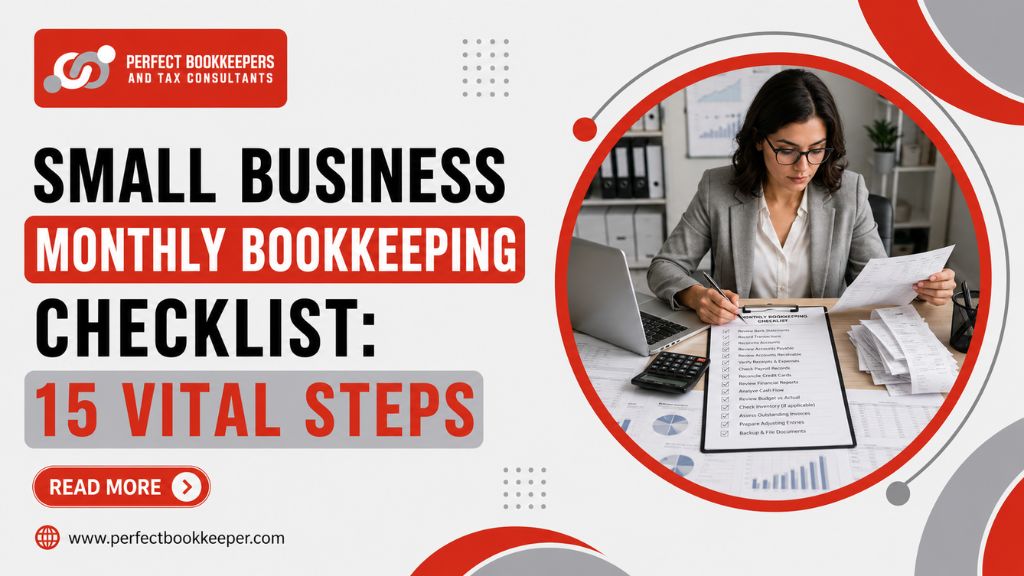
A structured monthly bookkeeping checklist helps ensure your business finances remain accurate, organized, and up to date. Whether you're handling bookkeeping internally or using professional bookkeeping services, following a monthly bookkeeping process can help you maintain financial health and support long-term business growth. In this guide, we'll walk through the essential bookkeeping tasks every small business should complete each month.
Bookkeeping is the foundation of sound financial management. Without accurate financial records, it's difficult to monitor business performance, prepare taxes, manage expenses, or plan for growth.
Regular bookkeeping helps:
A consistent bookkeeping routine also prevents the stress and confusion that often occur when records fall behind.
The first step in any monthly bookkeeping checklist is ensuring all transactions have been recorded accurately.
This includes:
If transactions are missing, your financial reports may not accurately reflect your business finances.
Using accounting software such as QuickBooks bookkeeping tools can help automate much of this process and improve accuracy.
Bank reconciliation is one of the most important bookkeeping tasks each month.
This process involves comparing your accounting records with your bank statements to ensure all transactions match.
Bank reconciliation helps identify:
Reconciling accounts regularly ensures your financial records remain accurate and reliable.
In addition to bank accounts, business credit cards should also be reviewed and reconciled monthly.
Look for:
Accounts reconciliation helps maintain clean books and improves expense management.
Outstanding customer invoices directly affect cash flow management.
Review all unpaid invoices and identify:
Strong invoice management practices help maintain healthy cash flow and reduce the risk of bad debt.
Questions to ask:
Maintaining accurate accounts receivable records is a critical part of every small business bookkeeping checklist.
Managing accounts payable ensures your vendors and suppliers are paid on time.
Review:
Missing vendor payments can damage relationships and potentially lead to late fees.
A proper bookkeeping workflow includes regular monitoring of accounts payable obligations.
Expense tracking is essential for understanding profitability and maximizing tax deductions.
Review all expenses and verify they are categorized correctly.
Common categories include:
Accurate expense management improves financial reporting and simplifies tax preparation.
Payroll often represents one of the largest business expenses.
A monthly payroll review helps ensure:
Payroll errors can create compliance issues and employee dissatisfaction, making this step an important part of your monthly accounting checklist.
Cash flow monitoring helps business owners understand how money moves through the company.
Review:
Even profitable businesses can experience cash shortages if cash flow isn't monitored consistently.
Questions to consider:
Regular monitoring helps prevent financial surprises.
For businesses that collect sales tax, monthly sales tax tracking is essential.
Review:
Failing to track sales tax accurately can lead to penalties and compliance issues.
Keeping records current throughout the month makes filing significantly easier.
A profit and loss report shows your business revenue, expenses, and profitability during a specific period.
This report helps answer important questions:
Reviewing your profit and loss statement monthly helps identify trends before they become larger problems.
Your balance sheet provides a snapshot of your company's financial position.
A monthly balance sheet review helps monitor:
This report provides valuable insight into overall financial health and long-term stability.
Financial statement preparation is one of the most valuable bookkeeping activities.
At minimum, business owners should review:
Regular financial reporting helps support informed decision-making and improves business performance.
Comparing actual results to your budget helps identify opportunities for improvement.
Ask questions such as:
Budget reviews help maintain financial discipline and support business growth.
Financial organization reduces stress and improves efficiency.
Ensure all records are properly stored, including:
Maintaining organized records simplifies audits, tax preparation, and future financial reviews.
Each month, evaluate your financial position for warning signs such as:
Identifying issues early allows you to take corrective action before they impact business operations.
To maintain accurate books throughout the year, follow these bookkeeping best practices:
Waiting until month-end often leads to errors and forgotten transactions.
Mixing personal and business expenses creates accounting complications and tax issues.
Modern bookkeeping systems streamline transaction tracking, reporting, and reconciliation.
Always retain receipts, invoices, and financial records for future reference.
Don't wait until tax season to evaluate your financial performance.
Many businesses benefit from outsourced bookkeeping or virtual bookkeeping services that provide expert support and improve accuracy.
As businesses grow, bookkeeping responsibilities become more complex.
Outsourced bookkeeping services can help by:
Many companies find that working with a bookkeeping expert allows them to focus more on growth and less on paperwork.
A reliable monthly bookkeeping checklist is one of the most effective tools for maintaining financial control and supporting business success.
By following a consistent monthly bookkeeping process, you can improve financial reporting, strengthen cash flow management, reduce errors, and make more informed business decisions. Whether you're managing bookkeeping internally or working with a bookkeeping company, staying proactive with monthly bookkeeping tasks will help keep your business finances organized, compliant, and prepared for future growth.
Frequently Asked Questions
What Bookkeeping Should Be Done Monthly?
Monthly bookkeeping should include transaction recording, bank reconciliation, expense tracking, invoice management, payroll review, cash flow monitoring, and financial statement review.
What Is a Month-End Bookkeeping Checklist?
A month-end bookkeeping checklist is a structured process used to review financial records, reconcile accounts, generate reports, and ensure accurate financial reporting.
How Often Should Bookkeeping Be Updated?
Ideally, bookkeeping should be updated weekly, with a complete review conducted at the end of each month.
What Financial Reports Should Be Reviewed Monthly?
Business owners should review their profit and loss report, balance sheet, and cash flow statement every month.
How Do Small Businesses Keep Accurate Books?
Small businesses maintain accurate books by following a consistent bookkeeping workflow, reconciling accounts regularly, tracking expenses, reviewing reports, and using reliable accounting software or professional bookkeeping services.