Thu Jul 16
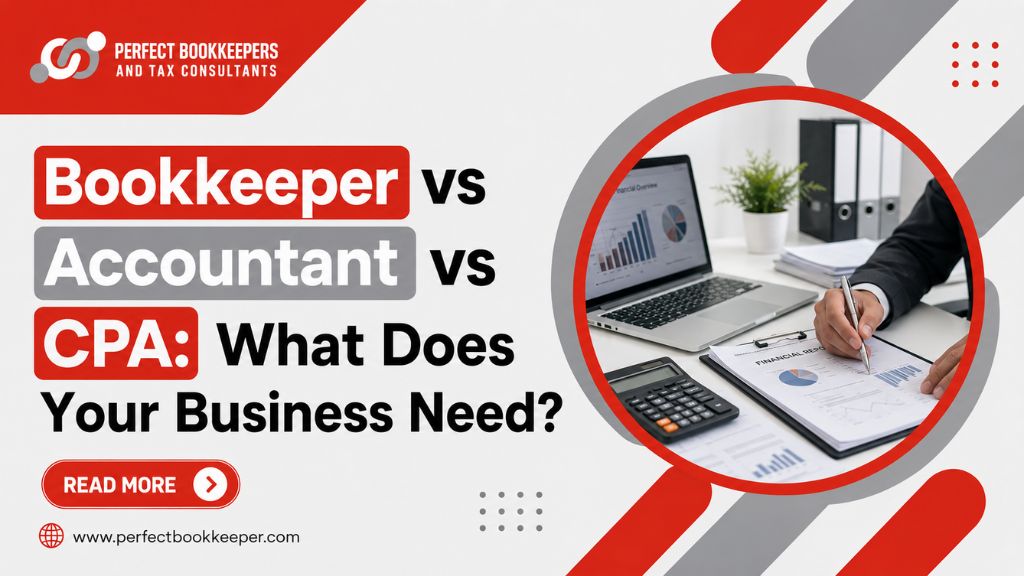
Having a CPA does not automatically mean your bookkeeping is covered. A CPA typically helps with tax preparation, compliance, financial strategy, and complex accounting decisions. A bookkeeper keeps the underlying financial records accurate, current, and organized throughout the year.
For many small businesses, the strongest setup is not a bookkeeper or a CPA. It is a bookkeeper and CPA working from the same reliable financial data.
The difference between a bookkeeper and CPA is mainly the type and timing of work they perform.
| Area | Bookkeeper | CPA |
| Primary role | Maintains day-to-day financial records | Handles higher-level accounting, tax, and advisory work |
| Typical tasks | Categorizing transactions, reconciling accounts, tracking income and expenses, managing records, and preparing reports | Preparing tax returns, advising on tax strategy, reviewing financial statements, and addressing complex compliance matters |
| Work frequency | Weekly or monthly | Quarterly, annually, or when specialized advice is needed |
| Main value | Accurate, timely financial data | Interpretation, compliance, and strategic guidance |
A CPA can provide bookkeeping, and some firms bundle both services. However, many CPAs expect the client’s books to be complete and reconciled before tax preparation begins. The title alone does not tell you what is included, so always confirm the scope of service.
You may still need a bookkeeper because your CPA’s advice is only as dependable as the records supporting it.
Tax returns explain what happened in the past. Current bookkeeping helps you make decisions today. Clean monthly reports can help you answer practical questions:
Without reliable books, those decisions become guesswork.
Using CPA and bookkeeping support together makes sense when:
A real estate investor, for example, may need a bookkeeper to separate expenses by property and reconcile loan activity. The CPA can then use those organized records for depreciation, tax planning, and return preparation.
Not every business needs outsourced bookkeeping immediately. You may be able to manage it yourself when transaction volume is very low, business and personal finances are completely separate, accounts are reconciled every month, and you understand how to classify transactions correctly.
You also may not need a separate provider if your CPA’s engagement already includes monthly bookkeeping. Be honest, though. Accounting software does not maintain itself. Bank feeds can import transactions, but they can also create duplicates, misclassify expenses, or leave important items unresolved. Automation reduces data entry; it does not replace financial review.
A clean workflow usually looks like this:
This process reduces last-minute scrambling and gives both professionals a consistent set of numbers.
You do not have to replace your existing CPA to improve your bookkeeping. Perfect Bookkeepers and Tax Consultants® can provide ongoing bookkeeping support, maintain organized records, reconcile accounts, and prepare clear financial information for your CPA.
For businesses that prefer fewer handoffs, we also provide accounting, payroll, tax, and business-planning support. Our professional bookkeeping services are designed for startups, small businesses, self-employed professionals, contractors, freelancers, and real estate investors who need accurate books without building an in-house accounting department. Through outsourced bookkeeping, you gain a repeatable monthly process, clearer reporting, and more time to focus on operating your business.
Answer:- Yes. Many CPAs offer bookkeeping directly or through their team. The important question is whether monthly bookkeeping is included in your agreement and whether the pricing and service level fit your needs.
Answer:- If your business is already operating and the records are behind, start by getting the books organized. If you are choosing an entity, facing a tax issue, or making a complex financial decision, consult a qualified tax professional first. Many businesses engage both at the same time.
Answer:- Most active small businesses benefit from monthly bookkeeping. Businesses with high transaction volume, payroll, inventory, or frequent invoicing may need weekly attention.
Answer:- Yes. Outsourced bookkeeping can provide consistent support without the cost and management responsibilities of hiring a full-time employee. The provider should have clear processes, secure document handling, relevant software experience, and defined monthly deliverables.
Answer:- Usually, yes. Properly categorized transactions, reconciled accounts, supporting documents, and updated financial reports give your tax professional cleaner information to work with and reduce last-minute questions.
So, do you need a bookkeeper if you already have a CPA? If your CPA is not maintaining your books every month, the answer is often yes. A bookkeeper keeps the financial foundation accurate. A CPA uses that foundation for tax, compliance, and strategic work. When the two roles are coordinated, you get cleaner records, better decisions, and a smoother tax season. Contact Perfect Bookkeepers and Tax Consultants® to discuss your current bookkeeping process and determine whether monthly, cleanup, or outsourced bookkeeping support is the right fit for your business.